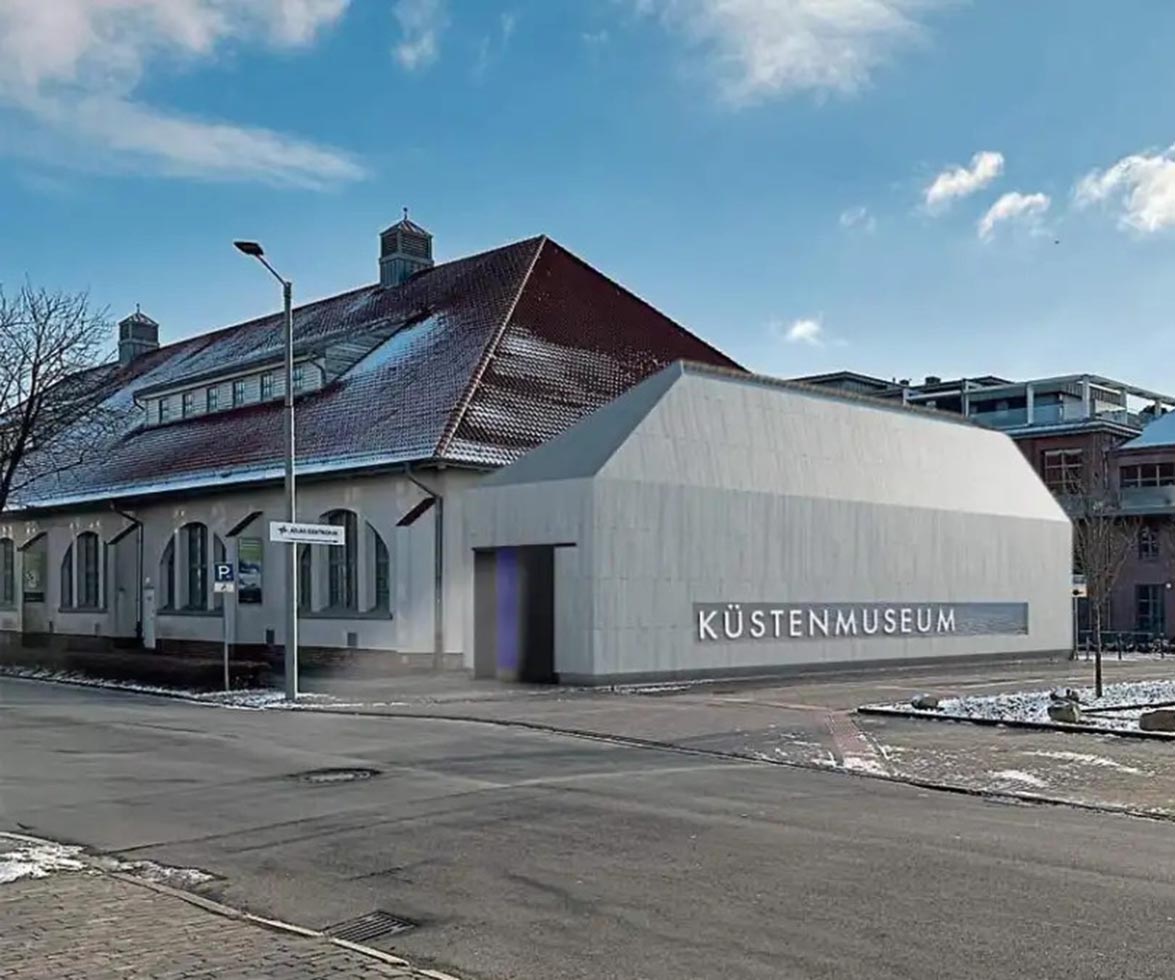
1. Morning Mist and Maritime Promises
The morning air was laced with salt. It crept in from the sea and curled through the quiet streets, brushing over the modest façades of Wilhelmshaven’s old neighborhoods. I stood near the Südstrand (South Beach) just after sunrise, where seagulls voiced their morning grievances and the horizon glowed in a pale hue of apricot and pearl. The stillness had the texture of memory, as if the past had simply never left.
Wilhelmshaven does not announce itself loudly. It does not glimmer like Munich, nor does it bustle like Berlin. Yet something about the silence between its bricks—between the seagull cries, the ship horns, the winds from the Wadden Sea—invites a kind of deeper listening. I came for the sea, but I stayed for the echoes.
2. From Naval Ambitions to Quiet Corners
Strolling along the Kaiser-Wilhelm-Brücke, the massive steel swing bridge spanning the harbor, one can’t help but reflect on the city’s naval origins. Built in the 19th century under King Wilhelm I, this structure once stood as a gateway to Germany’s maritime might. Now, it lifts for passing ships with a quiet dignity, its iron skeleton often mirrored in the harbor waters.
Below the bridge, fishing boats and modern patrol ships bobbed gently. I watched a crew haul in nets, their laughter riding over the lapping of water. There’s an intimacy here with the sea—not just as a livelihood but as a living, breathing companion. Wilhelmshaven was once Germany’s principal naval base. Today, the port still serves the Bundesmarine, but its role has shifted. The city wears its history like a well-worn coat: comfortably, and without embellishment.
3. Banter and Bread at the Wochenmarkt
On Saturday morning, I wandered toward the Wochenmarkt at Bismarckstraße. A thin drizzle had begun, the kind that Germans call “Nieselregen,” more a whisper than a downpour. Locals in practical jackets and sensible shoes browsed stalls brimming with Wurzelbrot, smoked fish, rhubarb, and spiced sausages.
I stopped at a booth selling Fischbrötchen—simple fish sandwiches with herring, onions, pickles, and remoulade. The vendor, a robust woman with wind-reddened cheeks, wrapped mine in wax paper and added a slice of wit to go with it: “Nothing in life is as reliable as herring and high tide.”
I took a seat beneath a striped canopy and watched the crowd: couples choosing flowers, children tugging on their parents’ sleeves, a man examining a potato like it contained some hidden truth. It wasn’t a tourist spectacle. It was life, unfolding gently on a grey northern morning.
4. Timeworn Stones and Tidal Rhythms at the Küstenmuseum
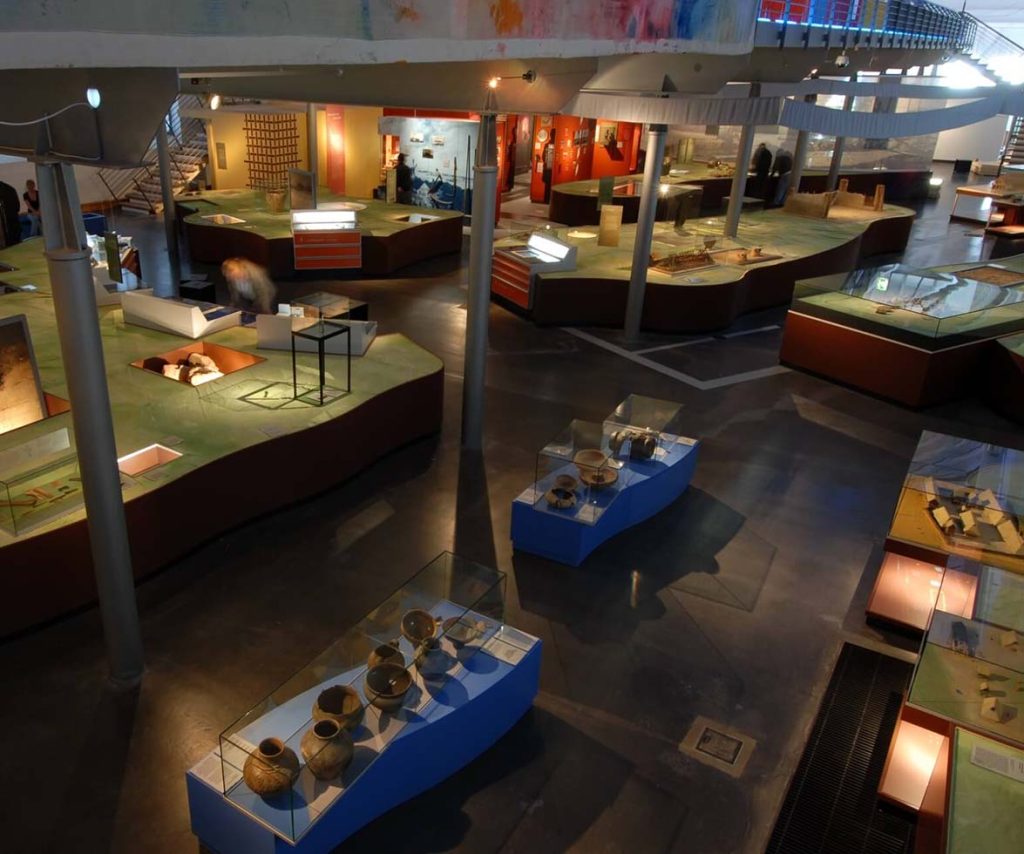
The Küstenmuseum Wilhelmshaven offered shelter from the rain and a trove of insight into the region’s evolution. Set in a modest red-brick building, the museum does not rely on grandeur but rather intimacy—its charm lies in the creak of the floorboards, the hushed tone of its rooms.
I lingered in front of maps showing how the coastline had shifted over centuries, how the sea has both gifted and taken from this land. Panels detailed the intricate relationship between the Frisians, the North Sea, and the land they fought to reclaim from salt and tide. The hall of naval memorabilia evoked a time of gunmetal grey ambition, but I found myself more moved by the room dedicated to ordinary lives—fishermen, farmers, lighthouse keepers.
A child pressed her face to a glass case containing an old diving helmet. Her eyes widened as if it were a relic of Atlantis. It made me smile. The artifacts may seem quaint now, but each bears the salt of decades, maybe centuries, of brine, labor, and hope.
5. Breathing Salt and Philosophy Along the Deich
In the late afternoon, I took the path along the Deich—the long sea wall that protects the city from the North Sea’s unpredictable moods. Wind pressed hard against my coat, the sort of wind that doesn’t ask permission but simply inhabits you.
There were few others on the path. A jogger passed with a nod. An older man walked a terrier wearing a raincoat, the dog occasionally barking at passing crows. On my left, grazing sheep. On my right, the North Sea, vast and unbothered.
The North Sea is not a theatrical sea. It doesn’t perform like the Mediterranean or sparkle like the Caribbean. It is stern, ancient, loyal to its own rhythm. There’s a kind of philosophy that arises from walking beside it—the kind that doesn’t need words but settles into the bones. I walked for hours. The wind grew stronger, and I felt very small in the best possible way.
6. Harbor Lights and Evening Contemplations
As dusk settled over the harbor, I returned to the waterfront promenade. Streetlights cast golden reflections onto the slick cobblestones. A group of young people gathered near the Bontekai pier, passing a guitar and singing old folk songs in German. One of them sang with a voice as worn and warm as a lighthouse beam.
I sat with a beer from a nearby kiosk—Küstengold Pilsener, crisp and straightforward—and watched the ships. Tugboats, ferries, research vessels, and the occasional leisure yacht. Each one a chapter, it seemed, in some maritime novel unfolding just offshore.
Across the water, the silhouettes of cranes stood like sentinels. They have seen empires rise and fall. They do not speak, but they remember.
7. Unexpected Grace at St. Willehad’s Cathedral
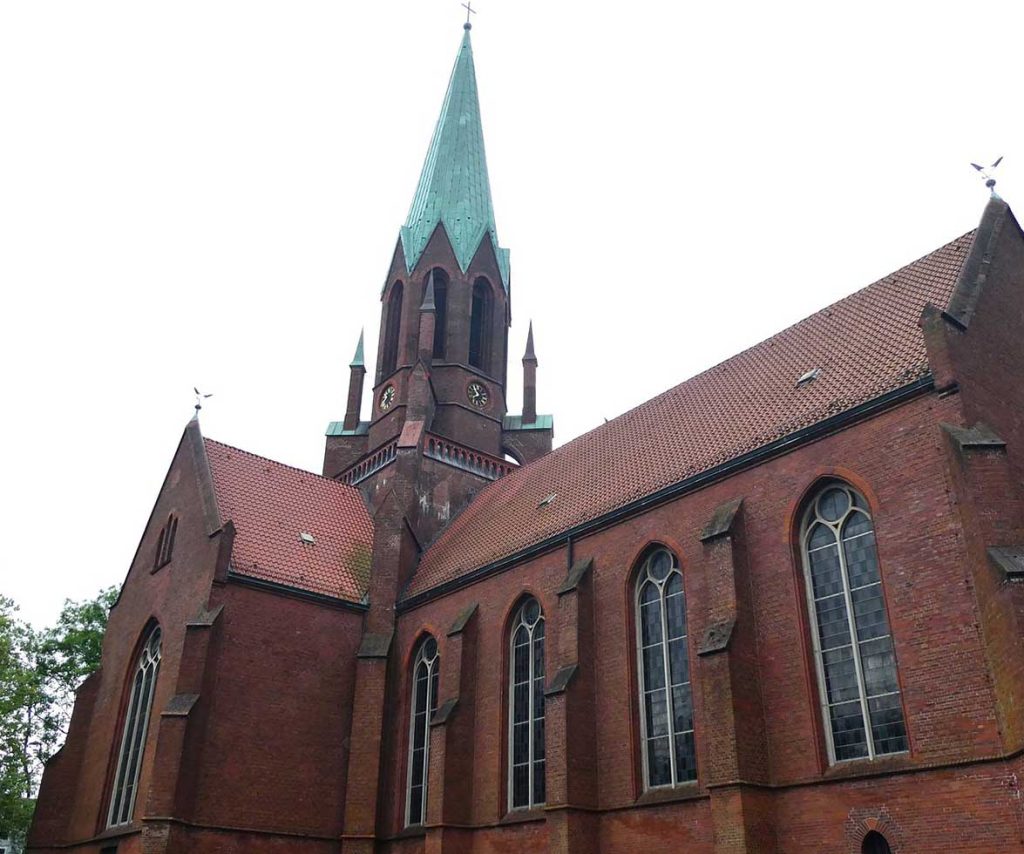
The next morning, drawn by the quiet promise of stained glass and organ notes, I stepped into St. Willehad’s Cathedral. Named after the missionary who brought Christianity to the region in the 8th century, the cathedral carries a solemn, comforting presence.
Sunlight filtered through the tall windows, painting the pews with deep reds and blues. A small choir rehearsed in the chancel, their voices weaving Latin harmonies that stirred something old inside me. I took a seat near the back and let it wash over me. There are few experiences as grounding as sitting in an old church on a slow morning with nothing on the agenda but listening.
No sermon was being preached, and still, something sacred filled the air. I thought about the generations who had knelt here, married here, mourned here. The walls did not echo—they absorbed.
8. Tea by the Jade Bay
A sudden craving for warmth led me to a nearby teahouse overlooking the Jade Bay. I ordered Ostfriesentee, the traditional East Frisian black tea served with rock sugar and heavy cream. The ritual is precise: first the sugar, then the tea, then the cream. No stirring allowed. The flavors settle on the tongue in layers—sweet, bold, velvety.
Outside, the bay stretched out like a great, sleeping beast. Inside, the walls were lined with books and maritime paintings. Two older men played chess in the corner. One muttered in Low German, the other sipped his tea and smirked in response. The woman behind the counter hummed a sea shanty while arranging plates of Apfelkuchen.
The longer I sat there, the more it felt like time had slowed to a crawl. I wasn’t in a rush to leave. Wilhelmshaven, I realized, is a city that resists haste. Its beauty lies in the pause, in the noticing.
9. Conversations at the Navy Memorial
Near the Naval Memorial on the Schleusenstraße, I met an elderly man with a walking stick adorned with naval emblems. He told me he had served on a minesweeper in the 1950s. He didn’t romanticize it—he spoke plainly, like someone who had seen the world through fog and salt spray and come home grateful.
We talked for nearly an hour, sitting on a bench facing the harbor. He spoke of comrades, storms, foreign ports, and long silences at sea. His voice was slow, deliberate. At one point he paused, looking out over the water, then said, “The sea teaches you that control is mostly an illusion. You learn to navigate, not command.”
I thanked him and walked on, but his words remained.
10. North Sea Blues at the Wattenmeer Visitor Centre
My last stop before nightfall was the UNESCO Wattenmeer Besucherzentrum. The Wadden Sea, with its tidal flats and migrating birds, is a living testament to ecological interdependence. Here, the world doesn’t divide neatly into land and sea. It pulses between them.
The center offered immersive displays: interactive sand tables, whale skeletons, audio recordings of bird migrations. I watched a video showing time-lapse footage of the tide receding, revealing an otherworldly landscape of mudflats, crabs, and wormholes. Children around me gasped. So did I.
Outside, the tide had gone out. I could walk on what had been sea just hours earlier. The ground beneath me was slick and yielding, rich with movement. I bent down, scooped a handful of wet sand, and let it run through my fingers.
11. Afterlight
By the time I returned to my lodging, the night had settled deep. Wind rattled the old windows, and the city was quiet except for the low murmur of waves and a distant ship’s horn.
The days had passed not with fanfare but with a quiet grace that lingered, like sea salt on skin long after the tide has gone. Walking through Wilhelmshaven had not been a journey of spectacle, but one of attention. A city where culture doesn’t perform—it waits, steady and enduring, like the sea itself.
And somehow, that felt more lasting.